Annotating for Kids : Encouraging Young Readers to Engage with Books

Reading is a fundamental skill, but truly engaging with a book takes it to the next level. One way to help young readers connect more deeply with what they’re reading is through the practice of annotating. By making notes in the margins, highlighting key phrases, and jotting down thoughts and questions, kids can turn reading from a passive activity into an interactive and enjoyable experience.

Why Encourage Annotating?

More on page 2…

The Joy of Marginalia : Celebrating the Notes We Leave in Books

There’s something magical about opening a well-loved book and finding it filled with notes, underlines, and little scribbles in the margins. These annotations, known as marginalia, transform a book from a solitary reading experience into a conversation across time.

More on page 2…

Book Review : Thistlefoot A Novel by GennaRose Nethercott

★★★☆☆


SPOILERS AHEAD

Thistlefoot by GennaRose Nethercott is a mesmerizing journey into a world where magic and reality intertwine, leaving readers spellbound from start to finish. This enchanting novel deftly blends elements of folklore and myth with a modern narrative style, creating a unique reading experience that is as thought-provoking as it is immersive.

More on page 2…

The Pros and Cons of Books, E-Readers, and Audiobooks : My Personal Journey

Books, E-Readers, and Audiobooks

In today’s digital age, we have more ways than ever to enjoy literature. Whether it’s the tactile pleasure of holding a physical book, the convenience of an e-reader, or the immersive experience of an audiobook, each format offers its own unique benefits and challenges. Having explored all three, I’ve come to appreciate their distinct advantages. Here’s a breakdown of how each format stacks up, and why I still find joy in each.

More of page 2…

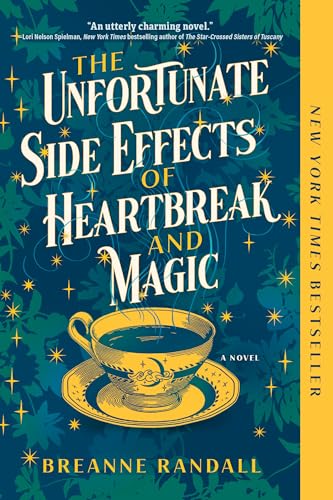
Book Review : The Unfortunate Side Effects of Heartbreak and Magic by Breanne Randall

★★★☆☆

SPOILERS AHEAD

I jut finished The Unfortunate Side Effects of Heartbreak and Magic by Breanne Randall, and while I didn’t find it amazing, it was still a pretty enjoyable read.

More on page 2…

Guide : Exploring Different Book Genres For Beginner’s

Exploring Different Book Genres

Books are windows into diverse worlds, offering readers the opportunity to explore new ideas, cultures, and experiences. Whether you’re new to reading or looking to expand your literary horizons, understanding different book genres can help you discover stories that resonate with your interests and preferences. Here’s a beginner’s guide to some of the most common book genres and what makes each one unique:

More on page 2…

Guide : Host a Book Club Brunch With Easy Low-Carb Recipes

Host a Book Club Brunch

Hosting a book club brunch can be both delicious and engaging, especially when incorporating low-carb options because I’m dieting. Whether you’re starting a new book club or planning a gathering with seasoned members, here are some easy, low-carb recipes and ideas to inspire your next literary brunch:

Setting the Scene

Before diving into the food, set the mood for your book club brunch:

More on page 2…

Book Review : Severance by Ling Ma

★★★★☆

SPOILERS AHEAD

“Severance” by Ling Ma is a compelling and thought-provoking novel that blends elements of dystopia, satire, and coming-of-age narratives. Set in a near-future world devastated by a global pandemic called Shen Fever, the story follows Candace Chen, a young woman navigating life in a post-apocalyptic New York City.

Ma skillfully weaves together themes of corporate culture, consumerism, and the existential ennui of modern life. Through Candace’s eyes

More on page 2…

Guide : Book Annotations Ideas

BOOK ANNOTATION IDEAS

Annotating books can help deepen your understanding and engagement with the text. Here are some ideas for things to focus on when annotating books:

1. Key Points

  • Main Ideas: Highlight or underline the main arguments or points in nonfiction books.
  • Plot Points: Mark important events in the storyline in fiction books.

2. Characters

  • Character Descriptions: Note any details about a character’s appearance, background, or personality.
  • Character Development: Track how characters change throughout the book.
  • Relationships: Note interactions and relationships between characters.

3. Themes

  • Central Themes: Identify and mark passages that relate to the book’s main themes.
  • Recurring Ideas: Highlight recurring motifs or symbols that support the themes.

More on page 2…

Guide : Getting Started With Book Annotation

Getting Started With Book Annotation

Annotating books can be a valuable way to engage deeply with the text, understand it better, and create a personal dialogue with the author. Here’s a guide to help you get started with annotating books:

1. Gather Your Supplies

  • Highlighters: Different colors can represent different types of annotations (e.g., yellow for important points, pink for quotes, blue for questions).
  • Pens and Pencils: For writing notes in the margins.
  • Sticky Notes or Page Flags: For additional notes without marking the page permanently.
  • Notebook: To expand on ideas that won’t fit in the margins.

2. Understand Your Goals

  • Clarify Purpose: Determine why you’re annotating the book. Is it for a class, personal study, or a book club?
  • Focus Areas: Decide what you want to focus on, such as themes, character development, literary devices, or personal reflections.

3. Develop a System

  • Symbols and Abbreviations: Create a set of symbols (e.g., stars for favorite passages, question marks for confusing sections) and abbreviations (e.g., “T” for theme, “C” for character).
  • Color Coding: Use different colors for different types of annotations (e.g., green for quotes, yellow for key points).

More one page 2…